
One farm, a deliberate experiment
Before Merkle became a public natural-resources area, it was Edgar Merkle’s 400-acre farm along the Patuxent. Maryland Department of Natural Resources records say Merkle began with a handful of breeding pairs, then improved habitat so geese could feed and rest. Over time, thousands were visiting the farm.
The story is not simply that geese “appeared” in Croom. It is a story of sustained private stewardship: one landowner noticed a missing presence, invested in habitat, and helped create conditions that made the landscape useful to migrating birds.
A public sanctuary takes shape
In 1970, the Merkles sold their land—including some donated parcels—to the State of Maryland. As adjoining tracts were added, the Natural Resources Management Area grew to more than 1,900 acres, according to the Maryland DNR. The private conservation effort became public habitat, managed for wildlife and shared with visitors.
That history gives the winter flock a local meaning. The geese’ return is part of a larger Croom rhythm: fields, wetlands, river edges, and people making room for one another. DNR says the birds generally arrive in mid-October and remain until late February or early March; at the season’s peak, more than 2,000 may be present. For neighbors, noticing them is now a seasonal tradition—and a reminder that conservation can outlast its founder.
A winter sight worth protecting
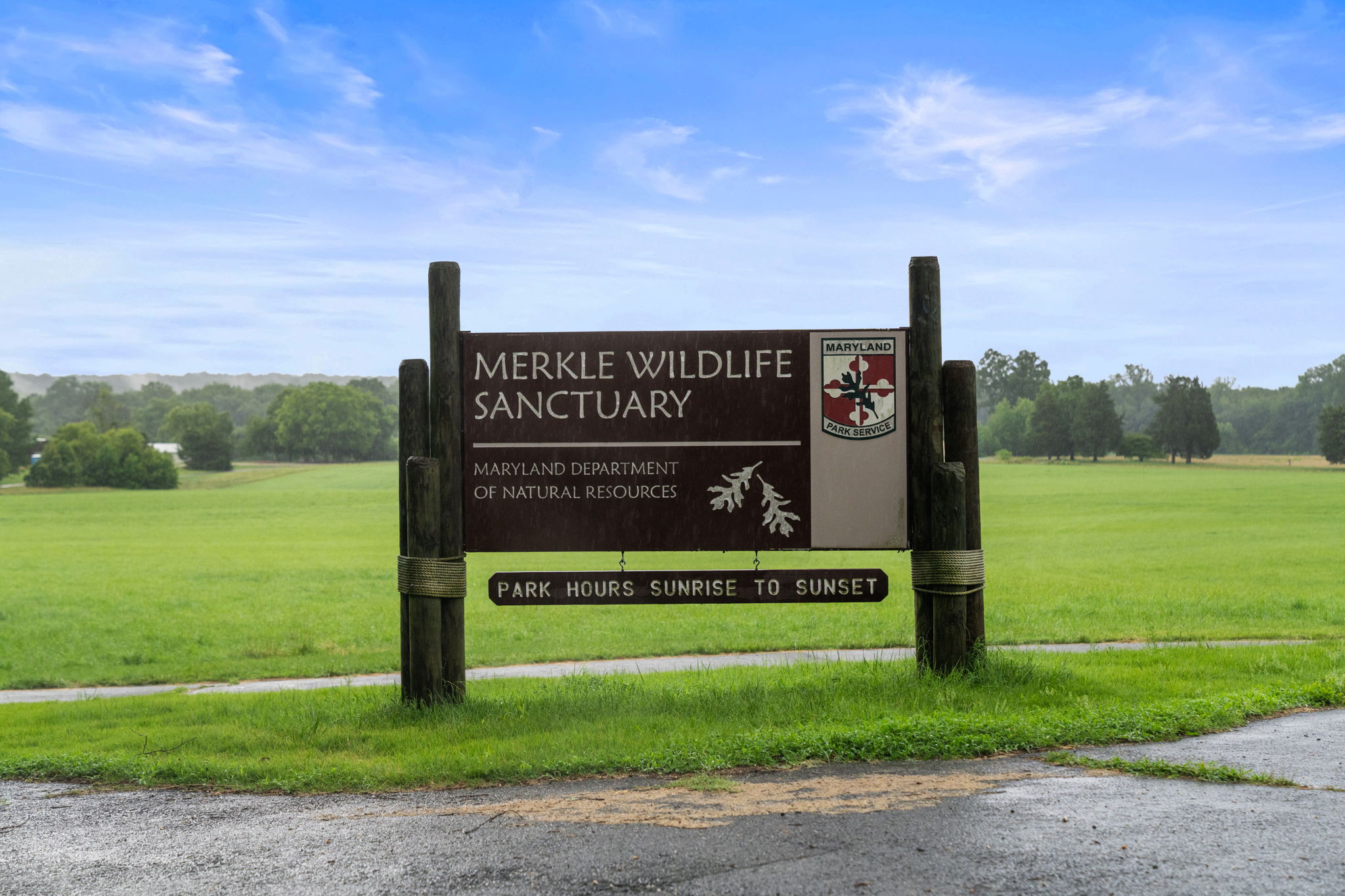
Merkle remains a place to observe that seasonal change. Maryland DNR identifies it as the wintering ground for the largest concentration of Canada geese on the Chesapeake Bay’s western shore. The grounds are open from sunrise to sunset; visitor-center viewing is by reservation, so check current DNR information before planning a visit.
About these sources
This post uses Maryland Department of Natural Resources history and visitor information as its primary authority, cross-checked against a Bay Journal account published in 2009 and updated in 2020. The phrase “seasonal tradition” is an editorial description of the recurring public experience, not a claim that DNR formally labels it a tradition.
Sources & further reading
- 01Maryland Department of Natural Resources — Merkle Natural Resources Management Area and Visitor Center: History
- 02Maryland Department of Natural Resources — Merkle Natural Resources Management Area and Visitor Center
- 03Bay Journal — “Migratory geese find sanctuary at Merkle; visitors will, too” (Dec. 1, 2009; updated June 4, 2020)