
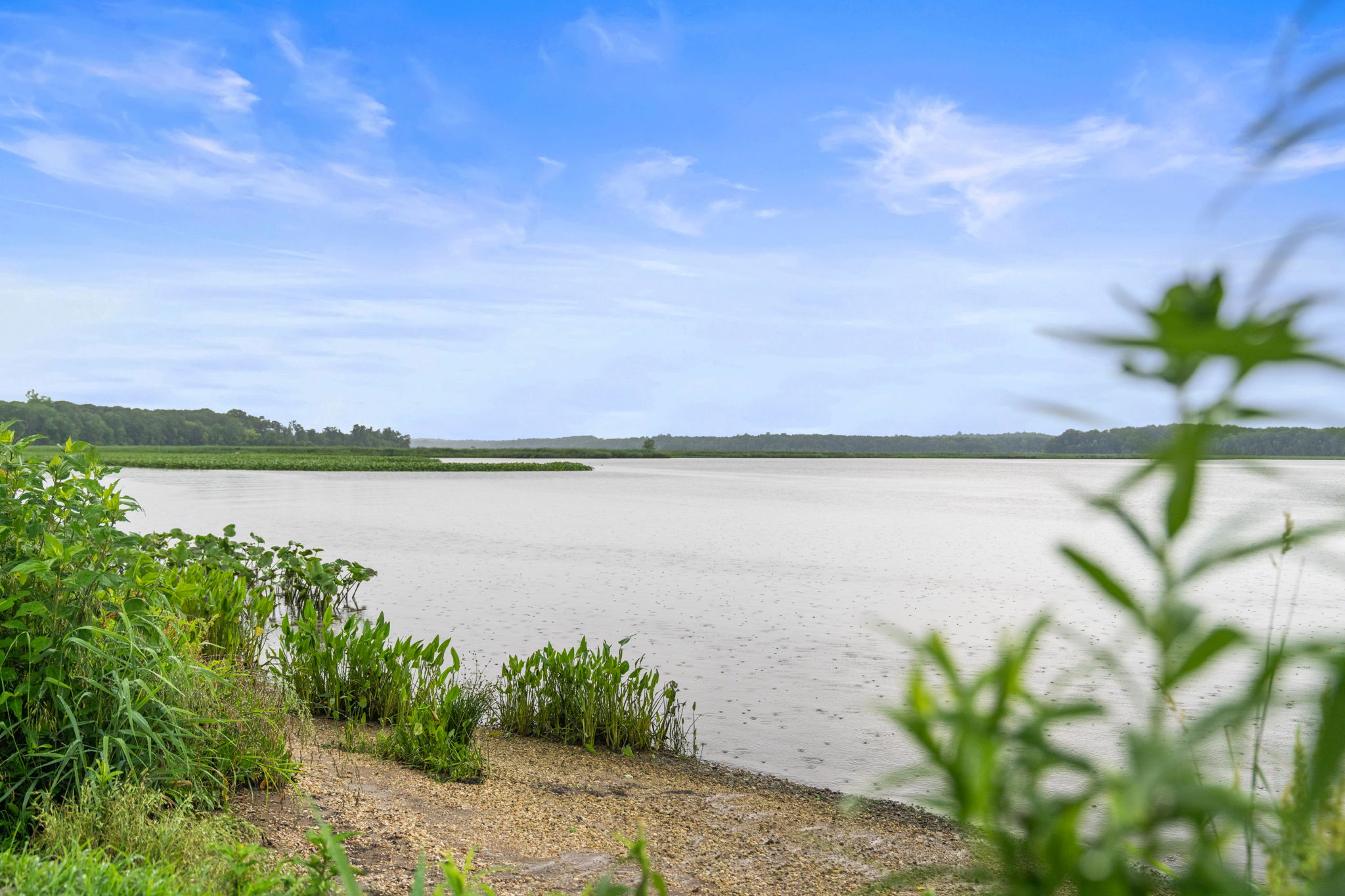
Take Nottingham Road toward the river and the landscape begins to make the past feel close: trees, fields, a one-room schoolhouse, and the small turn at Tanyard and Watershed Roads. It is easy to read this as the quiet edge of Croom. Historically, it was anything but.
Near this bend stood Nottingham, an early Patuxent River port whose influence reached far beyond its 55 acres. Ships, tobacco, merchants, farmers, soldiers, schoolchildren, and enslaved people all moved through the place in different eras. Much of the town itself is gone. Its importance is not.
For Croom residents, Nottingham is a reminder that this rural landscape was never isolated. Croom Road linked farms and families to a river port, and the port linked the area to Baltimore, Europe, the Caribbean, and the defining conflicts and injustices of colonial America.
Croom Stories · Email access
Keep reading the full Nottingham story
Share your name and email to unlock this source-backed look at the river port that connected Croom to a much larger world.